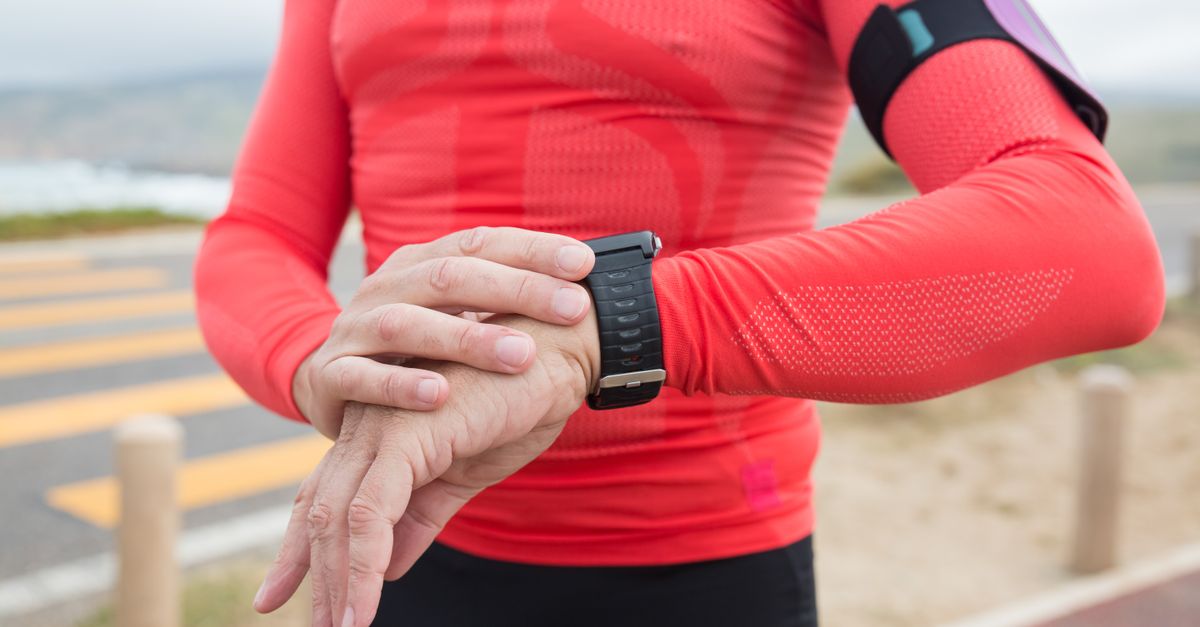
Why Most Beginners Fail at Mastering Their New Fitness Tracker (And The Habit-Driven Approach That Actually Works)
When you first unbox that sleek new fitness tracker, there’s a buzz of excitement. You envision a future of perfectly tracked steps, optimized sleep cycles, and daily activity goals smashed. For a few days, maybe even a week, you’re diligent. You check your steps, analyze your sleep, and feel a surge of motivation. Then, subtly at first, the novelty wears off. The constant pings become background noise, the data a relentless reminder of what you haven’t done. Soon, that expensive piece of tech becomes just another bracelet, eventually relegated to a drawer or, worse, a charging dock it rarely leaves. In my practice, I’ve seen this pattern countless times: eager adoption, followed by quick abandonment. The promise of data-driven health often falls flat because people approach these devices with a fundamental misunderstanding of how human behavior actually works. It’s not about the tracker’s capabilities; it’s about our capacity to integrate its insights into sustainable habits.
The mistake I see most often is treating a fitness tracker as a magic bullet – a device that will make you healthier by simply existing on your wrist. This passive reliance is precisely why most beginners fail. They get caught in a data-overload trap, overwhelmed by metrics they don’t know how to interpret or, more importantly, act upon. What changed everything for my patients (and for me personally) was shifting from a data-collection mindset to a habit-building framework. Instead of passively recording, we actively used the tracker as a tool to cue, monitor, and reward specific, small behavioral changes. It’s about leveraging the device to build the discipline for healthier living, not just observe its absence.
Key Takeaways
- Stop relying on your fitness tracker to magically motivate you; instead, use it as a feedback tool for specific, pre-planned actions.
- Focus on one micro-habit at a time, using your tracker’s metrics as a simple ‘yes/no’ indicator of success rather than complex data analysis.
- Integrate your tracker’s alerts as actionable cues for movement or hydration, transforming passive pings into proactive health moments.
- Schedule dedicated weekly ‘review and reset’ sessions to connect your tracker’s data to your feelings and adjust your micro-habits for sustainable progress.
The Data Deluge Trap: Why More Metrics Don’t Equal More Motivation
When I first got my fitness tracker a few years ago, I was fascinated. I’d spend 15 minutes every morning meticulously reviewing my sleep stages, heart rate variability, and step count from the previous day. I’d compare my resting heart rate to others in my age group, scrutinize my ‘recovery score,’ and feel either a fleeting sense of accomplishment or a profound wave of guilt. The problem? All this data, while objectively interesting, wasn’t actually changing my behavior in any sustainable way. If my sleep score was low, I’d feel bad, but I didn’t have a clear plan for what to do about it.
Most beginners fall into this exact trap. They believe that if they just have more information, they’ll naturally become healthier. This is a common misconception. Our brains aren’t wired for sustained motivation purely from abstract numbers. We need clear, actionable steps and immediate, tangible feedback. A low sleep score might tell you there’s a problem, but it doesn’t tell you to turn off screens an hour before bed or to lower your caffeine intake after noon. Without linking the data directly to a specific, manageable action, it just becomes noise – a performance review without any guidance on how to improve.
To overcome the data deluge, you need to simplify. Stop trying to interpret every single metric. Instead, pick one or two metrics that directly relate to a specific micro-habit you’re trying to build. For example, if you want to walk more, focus solely on your step count. If you want to improve sleep, track your bedtime and wake-up time, and maybe a simple ‘time in bed’ metric. The goal isn’t perfect data analysis, but actionable feedback that helps you reinforce a desired behavior. When you reduce the cognitive load, the tracker becomes a helpful guide, not an overwhelming report card.
The “Set It and Forget It” Fallacy: Why Passive Tracking Is a Dead End
Many people treat their fitness tracker like a black box: they put it on, expect it to work its magic, and then get frustrated when they don’t see results. They might initially set a generic goal, like “10,000 steps a day,” and then simply hope the device’s presence will somehow make them walk more. This “set it and forget it” mentality is a fundamental flaw in how people engage with these tools.
In my experience, passive tracking leads to passive results, or more often, no results at all. A fitness tracker is not a personal trainer whispering encouragement in your ear every time you reach for a snack. It’s a data-logger. To make it effective, you have to actively engage with its features and, more importantly, with your own behavior. This means moving beyond just looking at the numbers and actively using the tracker to cue desired actions.
For instance, most trackers have idle alerts. Instead of ignoring that buzz as an annoyance, treat it as a deliberate prompt. When your tracker vibrates, don’t just shift in your seat. Stand up, walk to the kitchen for a glass of water, or do 10 squats. Transform a generic alert into a specific, pre-planned mini-action. Similarly, use its hydration reminders not just to think about drinking water, but to grab a glass immediately. This intentional integration of the tracker’s functions into your daily micro-decisions is what separates those who succeed from those who abandon their devices. It shifts the tracker from a passive observer to an active participant in your habit loop.
The Motivation Mirage: Connecting Data to Real-World Rewards
Another common pitfall is expecting the tracker itself to be the sole source of motivation. While hitting a step goal or seeing a high sleep score can provide a momentary dopamine hit, these intrinsic rewards often aren’t enough for long-term behavior change, especially when the initial novelty wears off. The motivation often feels like a mirage – fleeting and ultimately unsatisfying. People often miss the critical step of connecting their tracker’s data to meaningful, tangible rewards that reinforce the new habit.
Think about it: seeing a graph showing you slept 7.5 hours might feel good, but what’s the real-world impact? The power comes when you connect that data to how you feel and then intentionally reward yourself for the effort of building the habit. For example, if you successfully hit your ‘lights out by 10 PM’ goal for five nights in a row (as confirmed by your tracker), you might reward yourself with an extra hour of guilt-free reading on the weekend, a new book, or a specific self-care activity you enjoy. The reward isn’t tied to the tracker, but the tracker verifies that you earned the reward through consistent effort.
This isn’t about expensive gifts. It’s about associating the consistent effort of healthy habits with something you genuinely value. If your tracker shows you consistently moved for at least 30 minutes daily for a week, maybe you allow yourself to spend an extra hour on a hobby or treat yourself to a favorite healthy meal out. The tracker becomes a trusted accountant, tallying up your behavioral deposits, which you then redeem for chosen rewards. This creates a powerful, self-reinforcing loop that keeps you engaged long after the initial excitement of the gadget fades.
The Static Goal Syndrome: Why “10,000 Steps” Isn’t Enough
Most beginners slap on their new tracker, set a generic goal like “10,000 steps,” and then wonder why they lose steam. This “static goal syndrome” is incredibly common. The problem isn’t the number itself, but the lack of flexibility and progression. Life fluctuates. Some days you’ll smash 15,000 steps, other days 5,000 feels like a marathon. When you miss a static goal, it’s easy to feel like a failure, leading to demotivation and eventually, abandoning the tracker altogether.
In my experience, sustainable progress comes from dynamic, tiered goals that adapt to your reality and challenge you progressively. Instead of one rigid target, think in layers. For instance, an “effort” goal might be 6,000 steps (your baseline), a “good day” goal at 8,000, and a “challenge” goal at 10,000+. This way, on a busy workday, hitting 6,000 still feels like a win, preventing the all-or-nothing mindset that derails so many.
Furthermore, your goals shouldn’t be static over weeks or months. Once you consistently hit a baseline, incrementally increase it. If you’re consistently getting 7,000 steps, push it to 7,500 for a few weeks. If your sleep has stabilized at 6 hours, focus on adding 15 minutes by adjusting your bedtime earlier. Use your tracker to identify your current baseline, then set a small, achievable increase that feels slightly challenging but not overwhelming. This incremental progression, validated by your tracker, builds confidence and competence, turning your fitness journey into an ongoing game you can win.
The Isolation Barrier: Why Sharing Your Journey Matters (The Right Way)
Many fitness tracker users either keep their data entirely private or share it broadly on social media, neither of which is optimal for sustainable habit change. Keeping it private might remove accountability, while broad social sharing can lead to comparison, performative wellness, or simply become overwhelming noise. The “isolation barrier” is a significant reason why individual efforts often falter.
What truly works is selective, reciprocal accountability. This isn’t about posting your daily stats for public validation. It’s about sharing your intentions and progress with one or two trusted individuals who are also on a health journey or are genuinely supportive. For example, my sister and I use our trackers to share our weekly “active minutes” goal. We don’t compare step counts daily; instead, we check in on Sunday evenings, sharing whether we hit our weekly active minute target and a brief reflection on how it felt. This creates a gentle, non-judgmental accountability loop.
This targeted sharing provides crucial social support, which is a powerful driver for habit formation. Knowing someone else is also working towards their goals, and that you’ll be checking in with them, can provide that extra nudge on days when motivation wanes. It transforms a solitary pursuit into a shared endeavor, fostering a sense of community and mutual encouragement. Leverage your tracker’s sharing features not for bragging, but for genuine, supportive connection that keeps you on track.
Frequently Asked Questions
Q: My fitness tracker data feels overwhelming. Where should I even start?
A: The best place to start is to ignore most of it initially. Pick just one metric, like daily steps or consistent sleep time, that aligns with a single, small habit you want to build. Focus on consistently hitting a simple ‘yes’ for that one goal. Once that habit is solid, you can gradually introduce another metric or goal.
Q: I keep forgetting to charge my tracker, or I take it off and forget to put it back on. How can I make it stick?
A: Integrate charging into an existing daily routine. For example, always charge it while you shower or during your morning coffee. As for wearing it, try to make it an extension of getting dressed – like putting on your watch or jewelry. If you only track specific activities, ensure it’s easily accessible and you have a clear ‘cue’ (e.g., seeing your running shoes) to put it on.
Q: My tracker gives me alerts to move, but I often ignore them. How can I make them more effective?
A: Pre-plan specific actions for those alerts. Instead of just acknowledging the buzz, decide beforehand what you’ll do: “When my tracker buzzes, I will stand up and walk to the furthest water fountain.” Or “I will do 10 push-ups.” This transforms a passive reminder into an active behavioral cue, making it much harder to ignore.
Q: I feel discouraged when I don’t hit my step goal. How do I stay motivated?
A: Shift your mindset from all-or-nothing to incremental progress. Set tiered goals (e.g., a minimum baseline, a good day, a challenge goal). Celebrate hitting any of these tiers. Also, focus on the effort and consistency over perfection. Even 5,000 steps on a tough day is better than zero. Reward consistent effort, not just peak performance.
Q: Should I share my fitness tracker data with friends or on social media?
A: Be selective. Broad social media sharing can lead to comparison and pressure. Instead, identify one or two trusted friends or family members who are also on a wellness journey. Share specific, agreed-upon goals (like weekly active minutes or a new habit you’re building) for mutual, non-judgmental accountability. This targeted support is far more effective.
Conclusion
Your fitness tracker is a powerful piece of technology, but its true potential isn’t unlocked by its algorithms or display. It’s unlocked by you – by how intentionally you integrate its insights into your daily life. Stop treating it as a passive data collector or a magical motivator. Instead, see it as a smart, silent partner in your habit-building journey. Focus on one small, actionable change at a time, use the tracker as a feedback loop for that specific action, connect your efforts to meaningful rewards, and share your progress wisely. When you shift from simply tracking to actively transforming, you’ll find that your fitness tracker isn’t just a gadget on your wrist; it’s a catalyst for a healthier, more intentional you. So, pick one micro-habit you want to build this week, and let your tracker guide you, not dictate to you.
Written by Dr. Anya Sharma
Health, nutrition, and stress reduction
A licensed nutritionist and wellness advocate, Anya focuses on accessible approaches to physical and mental well-being.
You Might Also Like

Why Most Beginners Fail at Mastering Their New Air Purifier (And The Layered Approach That Actually Works)
Your new air purifier promises clean air, but often falls short. Discover the layered approach to truly optimize it for better indoor air quality.

Why Most 'Budget-Friendly' Dog Food Fails (And What Actually Nourishes Your Pet for a Healthier, Happier Life)
Discover why cheap dog food often falls short of providing real nutrition and how to choose food that truly benefits your dog's health without breaking the bank. Authored by Dr. Anya Sharma.

Why Most Beginners Fail at Personal Reinvention (And The Identity-First Approach That Actually Works)
Discover why traditional personal reinvention methods often fall short and how an identity-first approach can lead to lasting, transformative change.