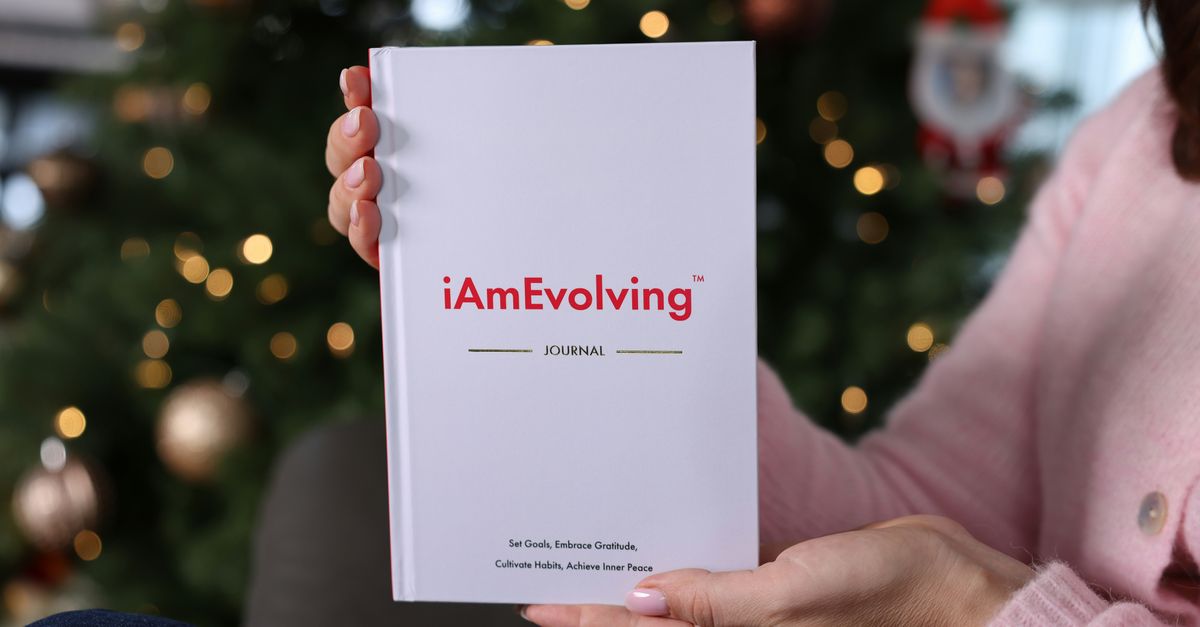
Why Your Gratitude Journal Isn't Working (And The 3 Shifts That Actually Cultivate Joy)
Are you meticulously listing three things you’re grateful for every morning, only to find yourself still feeling a pervasive sense of overwhelm, anxiety, or just… meh? I see this scenario play out frequently in my practice, and it’s a deeply frustrating experience. You’ve heard the advice, you’ve bought the pretty journal, and you’re doing the work, yet the promised surge of happiness and calm remains elusive. What gives?
In my experience, the problem isn’t with gratitude itself, but with how we’re often taught to practice it. Many popular approaches to gratitude journaling are too superficial, too prescriptive, or simply miss the psychological nuances that make gratitude a powerful tool for well-being. It’s not just about listing things; it’s about genuinely shifting your perspective and cultivating a deeper appreciation that resonates beyond the page. If your gratitude journal feels like another chore on your to-do list, rather than a source of genuine joy, it’s time for a different approach.
Key Takeaways
- Superficial listing of gratitude items often fails to create genuine emotional shifts.
- Cultivate a “why” behind the what to connect with deeper feelings of appreciation.
- Focus on tiny, often overlooked moments to build a more resilient gratitude practice.
- Integrate gratitude in the moment rather than solely as a retrospective exercise.
The “Checking the Box” Trap: Why Simple Lists Fall Short
The most common advice for gratitude journaling is to simply list three to five things you’re grateful for each day. While this sounds straightforward and easy to implement, it often devolves into a rote exercise – the “checking the box” trap. You might write “coffee, sunshine, my bed” for days on end, without any real emotional engagement. The problem here is a lack of depth and specificity.
Think about it: when you list “coffee,” are you truly connecting with the warmth of the mug in your hands, the rich aroma, the quiet moment before your day truly begins? Or are you just writing down a common pleasantry because it’s what’s expected? In my clinical work, I’ve found that this superficial listing fails to activate the neural pathways associated with positive emotion and perspective shifts. The brain is excellent at pattern recognition, and if your gratitude practice becomes a predictable, unthinking pattern, it will quickly lose its power.
To truly cultivate joy, we need to move beyond mere recognition to resonance. This means feeling the gratitude in your body, allowing it to expand beyond a simple thought. The mistake I see most often is treating gratitude like a shopping list rather than a mindful reflection. Without that deeper connection, it’s just words on a page, and words alone, without accompanying emotion, rarely create lasting change.
Shift 1: The “Why Behind the What” – Unearthing Deeper Meaning
Instead of just listing what you’re grateful for, the first crucial shift is to delve into why you’re grateful for it. This simple addition transforms a superficial exercise into a powerful practice of reflection and emotional connection. It forces you to pause, to consider the impact, and to genuinely feel the benefit of that item or experience.
For example, instead of writing “my bed,” try: “I am grateful for my bed because it provides a soft, safe place for me to rest and recover, allowing me to wake up feeling refreshed and ready for the day ahead. The feeling of sinking into the pillows after a long day is incredibly comforting.” Do you feel the difference? This isn’t just a mental exercise; it’s an emotional one. By exploring the “why,” you start to connect with the feelings that gratitude evokes – comfort, security, joy, peace, relief.
What changed everything for me in my own practice was realizing that the benefit of the thing I was grateful for was often more impactful than the thing itself. It’s not just about the coffee; it’s about the brief moment of quiet solitude it affords me. It’s not just about a sunny day; it’s about the warmth on my skin and the burst of energy it gives me to step outside. Make it a non-negotiable part of your entry: What are you grateful for, and why does it matter to you, in this moment? This added layer of reflection is where the magic truly happens, transforming a chore into a profound moment of connection.
Shift 2: The Micro-Moment Magnifier – Finding Gold in the Ordinary
Many people feel pressured to find monumental, life-altering things to be grateful for: a new job, a major achievement, a perfect vacation. While these are certainly worthy of gratitude, waiting for such big events can leave your practice feeling empty on ordinary days. The second critical shift is to become a micro-moment magnifier. This means actively seeking out the tiny, often overlooked, fleeting moments of goodness that pepper your everyday existence.
These aren’t always grand gestures or obvious blessings. They are the small, almost imperceptible pockets of joy and ease that we typically breeze past. Think about the perfectly ripe avocado you found, the song that came on the radio exactly when you needed it, the fleeting smile from a stranger, the smooth flow of traffic, a moment of silence when the house is usually buzzing, the comforting weight of a pet on your lap, or the efficiency of a single traffic light.
The mistake I see most often is people overlooking the richness of their mundane moments. By deliberately seeking out these micro-moments, you train your brain to notice the abundant small positives that are always present. This isn’t about ignoring hardship; it’s about expanding your capacity to perceive goodness. When you zoom in on these small details, you start to rewire your brain to automatically scan for positivity, building a more resilient and consistent sense of joy. The goal is to accumulate these small moments, which collectively create a significant shift in your overall outlook.
Shift 3: Gratitude in Action – Moving Beyond the Journal Page
While the journal is a fantastic tool for reflection, true gratitude isn’t meant to stay confined to its pages. The third shift is to integrate gratitude in action into your daily life. This means expressing and embodying gratitude in real-time, moving beyond a retrospective listing. This practice actively reinforces the positive emotional loops and strengthens your sense of connection with the world around you.
Consider these actionable steps:
- Express it immediately: If someone does something kind, however small, send a quick text or email saying thank you, and specify why you appreciated it. A 30-second message can make both of your days.
- Savor the moment: When you experience one of those micro-moments, don’t just note it – actively savor it. Take a deep breath, let the feeling wash over you, and allow yourself to fully appreciate it before moving on. For example, when enjoying a delicious meal, pause after the first bite and truly taste it, acknowledging the flavors and textures.
- Pay it forward: Perform a small, unexpected act of kindness for someone else, without expectation of return. This could be anything from holding a door for someone struggling, letting someone go ahead of you in line, or leaving a kind note for a colleague. This creates a positive feedback loop, extending the feeling of gratitude beyond yourself.
- The ‘Gratitude Pause’: Set a reminder on your phone for a few random times throughout the day. When it goes off, pause for 60 seconds and simply look around. What do you see, hear, or feel in that exact moment that you can appreciate? The hum of the refrigerator, the light filtering through the window, the warmth of your sweater.
What changed everything for me was realizing that gratitude is a muscle that needs to be exercised actively, not just passively observed. The more you put it into practice, the stronger and more natural it becomes, fostering a pervasive sense of contentment that extends far beyond the quiet pages of your journal.
Frequently Asked Questions
How often should I practice gratitude journaling for it to be effective?
Consistency is more important than frequency. Even five minutes a day, practicing the “why behind the what” and micro-moment magnification, is more effective than sporadic hour-long sessions. Aim for daily, but if that feels overwhelming, three to four times a week can still yield significant benefits.
What if I can’t think of anything to be grateful for on a particular day?
This is where the micro-moment magnifier technique is crucial. On challenging days, shift your focus to the absolute basics: the ability to breathe, clean water, the warmth of your home, even the fact that you have a pen and paper to write with. No day is entirely devoid of something, however small, to appreciate.
Can gratitude journaling make me complacent or ignore real problems?
Absolutely not. True gratitude isn’t about ignoring challenges or adopting a naive optimism. It’s about building resilience and emotional capacity. By acknowledging the good, you create a stronger foundation to face difficulties, rather than being solely consumed by them. It provides perspective, reminding you that even in tough times, there are sources of strength and light.
Is there a specific time of day that’s best for gratitude journaling?
Both morning and evening have benefits. Morning practice can set a positive tone for the day, while evening practice can help you reflect on the day’s blessings and promote more restful sleep. Experiment to find what feels most natural and sustainable for you. The key is to make it a consistent part of your routine.
What if I feel fake or forced when I try to be grateful?
That’s a very common experience, especially when you’re starting or feeling down. Don’t force effusive joy. Instead, aim for a quiet acknowledgment or a gentle sense of appreciation. Focus on the “why” to help bridge that gap. Over time, as you practice and your brain rewires, the feelings will become more genuine and spontaneous. Be patient and compassionate with yourself.
Conclusion: From Chore to Core Practice
If your gratitude journal has felt like a burdensome chore rather than a gateway to greater joy, you’re not alone. The conventional wisdom often misses the mark, leaving many feeling frustrated and unchanged. By implementing these three crucial shifts – digging into the “why behind the what,” magnifying micro-moments, and actively engaging in gratitude in action – you can transform your practice from a superficial task into a deeply enriching and life-affirming habit.
Start small today. Pick one of these shifts and integrate it into your existing routine. Instead of just listing, add a “because.” Instead of waiting for big events, notice the perfect sip of water. These deliberate changes won’t just fill your journal; they’ll fill your life with a more profound and resilient sense of joy.
Written by Dr. Anya Sharma
Health, nutrition, and stress reduction
A licensed nutritionist and wellness advocate, Anya focuses on accessible approaches to physical and mental well-being.
You Might Also Like
Why Most Beginners Fail at Mastering Their New Air Purifier (And The Layered Approach That Actually Works)
Your new air purifier promises clean air, but often falls short. Discover the layered approach to truly optimize it for better indoor air quality.

Why Most Beginners Fail at Mastering Their New Fitness Tracker (And The Habit-Driven Approach That Actually Works)
Uncover why most people abandon their fitness trackers. Learn a habit-driven approach to leverage your device for real, lasting health changes.

Why Most 'Budget-Friendly' Dog Food Fails (And What Actually Nourishes Your Pet for a Healthier, Happier Life)
Discover why cheap dog food often falls short of providing real nutrition and how to choose food that truly benefits your dog's health without breaking the bank. Authored by Dr. Anya Sharma.